
Inside a Real Video Production: What Actually Happens
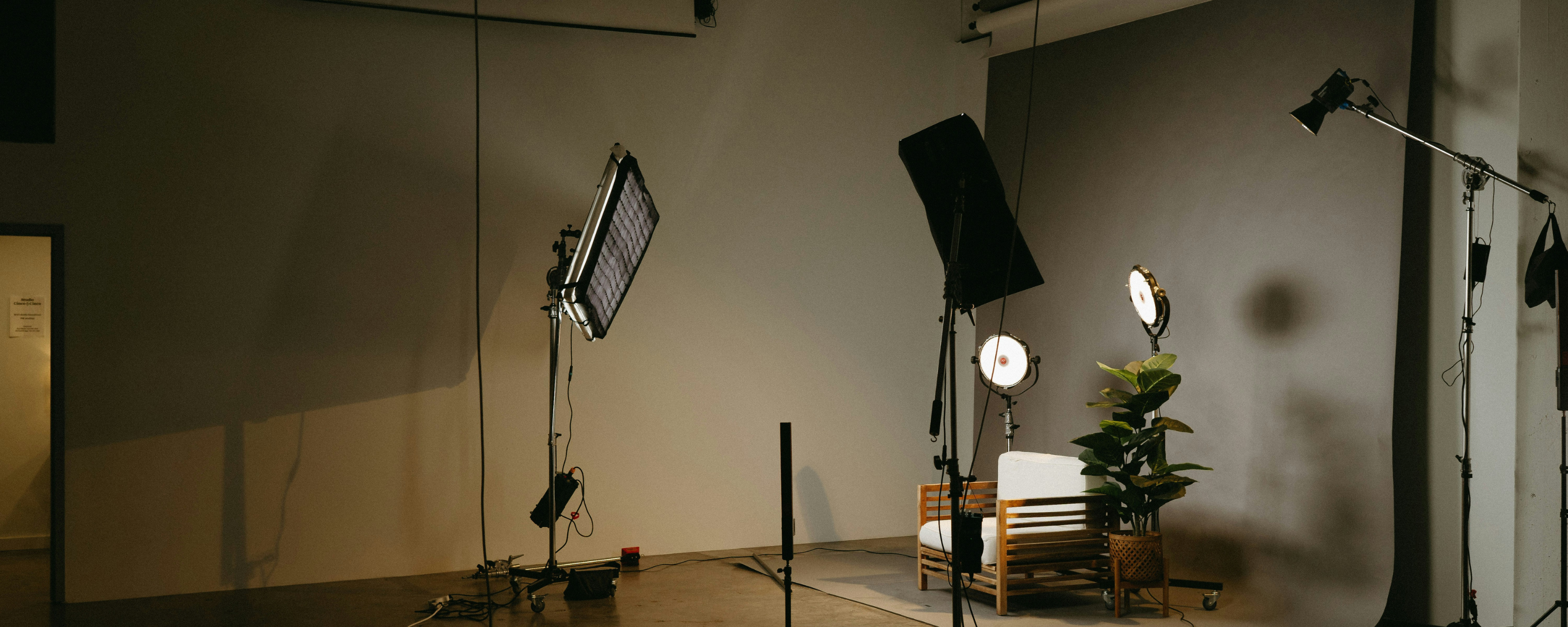
You’ve decided to do video. Now what?
Most organizations have no idea what to expect. How long does it take? What happens on shoot day? When can you expect the final product?
If you’re vague about the process, it’s easy to be disappointed. If you understand it, it’s easier to plan.
Here’s what a real video production typically looks like, from start to finish.
Phase 1: Discovery & Strategy (1-2 weeks)
Before anything is shot, there’s thinking.
Week 1: You meet with the production team. You talk about your goals. What’s this video for? Who watches it? What do you want them to do?
This meeting should feel like strategy, not just booking a shoot. A good production team asks tough questions:
“What specifically do you want to change because of this video?”
“Who decides if this worked or not?”
“What’s the single most important thing this video needs to communicate?”
If the production team just nods and says “Yeah, we’ll make something great,” they’re not thinking hard enough.
Week 1-2: You and the production team develop a plan. For testimonial videos, that means identifying interview subjects and developing interview guides. For brand videos, that means discussing narrative arc and shot lists. For fundraising videos, that means discussing emotional strategy and call-to-action.
At the end of this phase, everyone should be clear on what’s being made and why.
Cost: Usually included in your production budget, or a separate strategy cost ($500- $2,000 depending on complexity).
What if this phase is skipped: You’ll shoot something, but it might not be what you need.
Phase 2: Pre-Production (1-3 weeks)
Now things get specific.
Interview prep: If you’re doing testimonial-style videos, the production team reaches out to interview subjects. They might do brief phone calls to understand their story. They’ll definitely send an interview guide so the subject knows what to expect.
The subject should walk into an interview knowing: “We’re going to talk about my experience with [X], how it changed my perspective, and what’s possible now.”
No script. But clear structure.
Logistics: Scheduling the shoot. Booking equipment if needed. Arranging locations. Making sure there’s parking, permission, etc.
Creative: For brand videos, this might mean creating a storyboard (visual outline of shots). Scouting locations. Planning how shots will look.
Cost: Usually included in production budget for straightforward projects. Can be $500- $2,000 for complex shoots (location scouting, etc.).
What if this phase is rushed: You show up to shoot and realize the location is unusable. The subject isn’t prepped. The team doesn’t have what they need. Chaos.
Phase 3: Shooting (1 day to 1 week)
This is what most people imagine “video production” to be.
Interview shoots: Usually 2-3 hours per interview. One person (or two if it’s a couple). The interviewer asks questions conversationally. The subject answers. Minimal setup. Minimal fuss. Maximum authenticity.
The shoot often includes: the main interview, B-roll if needed (footage of the person doing things), and maybe a few different angles.
Multiple shoot days: For a video series (Remarkable Residents, resident testimonials, etc.), a production team might shoot 2-4 interviews per week over several weeks.
Brand/documentary shoots: Longer. Usually a full day. Multiple scenes, locations, lighting setups. More complex.
Real shoot reality:
There’s downtime. Waiting for lighting to be right. Waiting for background noise to quiet down.
Not every moment is “roll film.” A lot of setup, tweaking, waiting.
The best moments are often the ones where someone forgets the camera is there. Schedules slip. A subject needs 10 more minutes. The light changes. You adapt.
Cost: $1,500-$3,000 per day for small, simple shoots. $5,000-$15,000+ per day for complex shoots.
What if shooting is disorganized: You get footage, but it’s disorganized. Bad angles. Missing the emotional moments. Lots of technical mistakes. Editing becomes a nightmare.
Phase 4: Post-Production (2-4 weeks)
Now the real work happens.
Logging: The production team reviews all the footage. They find the best moments. They
make notes on timing, emotion, what works.
This is where the magic happens—finding the 3-5 minute story inside 90 minutes of footage.
Editing: The editor assembles the story. They build narrative arc. Trim the slow parts. Emphasize the emotional beats. Add music, graphics, voiceover if needed.
A good edit takes time. The first version often feels off. Too slow. Too fast. Wrong music. Wrong tone.
Revisions: You watch drafts. You give notes. The editor revises. Usually 2-4 rounds of notes before it’s right.
Final tweaks: Color correction (making the lighting look consistent). Audio mixing (balancing dialogue, music, ambient sound). Final exports for different platforms.
Cost: $2,000-$5,000+ depending on complexity. More for complex edits, graphics, voiceover, color grading.
The reality: This phase often takes longer than expected because getting the story right is harder than people think.
Phase 5: Approval & Finalization (1 week)
Final stakeholder review. Does the video feel right? Does it accomplish the goal? Any last tweaks?
Once approved, final files are exported for web, social media, YouTube, etc. Cost: Usually included.
Phase 6: Promotion (Ongoing)
The video is done. But the work isn’t.
How will people see it? Email campaign? Social media push? Website feature? Physical tour? If you don’t promote it, nobody watches it.
Cost: Your staff time + maybe paid ads ($100-$500 to boost on social).
The Realistic Timeline
Simple project (one testimonial): 4-6 weeks start to finish
Strategy: 1 week
Pre-production: 1 week
Shoot: 1 day
Post-production: 2-3 weeks
Medium project (3-5 testimonials or one brand video): 6-10 weeks start to finish
Strategy: 1-2 weeks
Pre-production: 1-2 weeks
Shoots: 2-3 separate days over 2-3 weeks
Post-production: 3-4 weeks
Complex project (documentary, multiple locations, high production): 12-16+ weeks
What Often Surprises Organizations
1. Post-production takes the longest. Not shooting. Editing. Finding the story.
2. Getting it right matters more than getting it fast. A mediocre video shipped quick is still mediocre.
3. Every video is different. Timeline depends on complexity, not just budget.
4. You’ll watch it 100 times. By the end, you might hate it. That’s normal. Real people watching it for the first time will likely love it.
5. Feedback makes it better. Good production teams want your notes. They’ll revise until it’s right.
Setting Expectations
Before you start, make sure you and your production team agree on:
Timeline
Number of revision rounds
Which stakeholders approve at which stages
What “done” looks like
If everyone agrees upfront, the process is smooth. If expectations are unclear, it gets messy.
The Investment
Good video production is faster and cheaper than you probably think. It’s also more complex and takes longer than you probably hope.
The organizations that are happiest with their videos are the ones that understand the timeline, trust the process, and give the team space to do good work.
Next Steps
If you’re considering a video project and want to know what’s realistic in terms of timeline and investment, let’s talk through your specific needs. Bottled Media has produced hundreds of videos across different complexities. We can give you honest expectations for your project.